















Milk powder packaging

Milk powder packaging

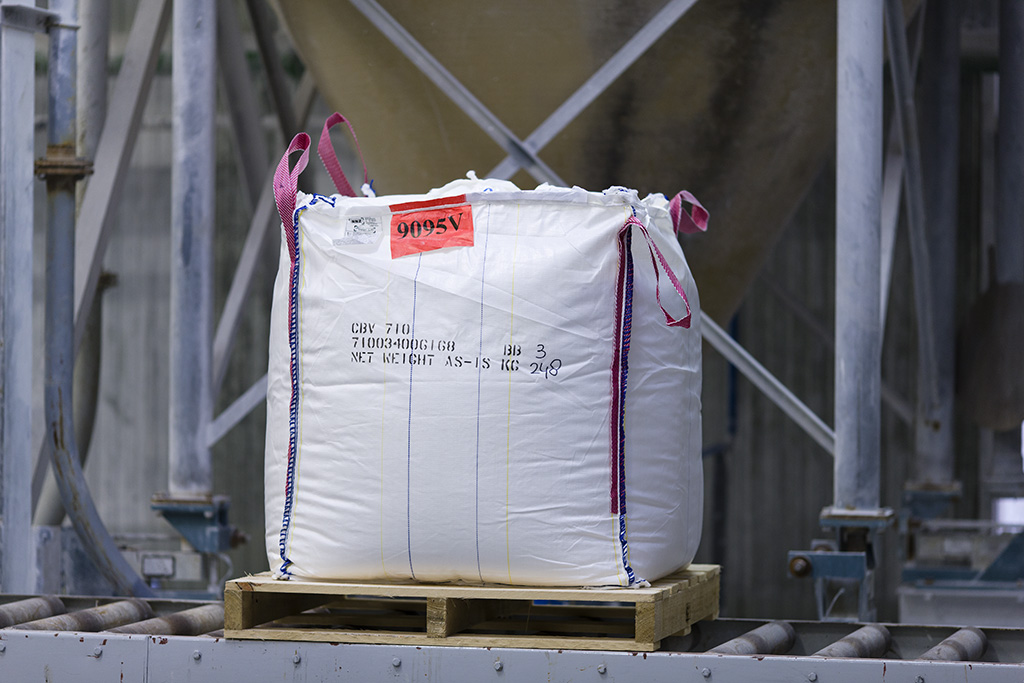
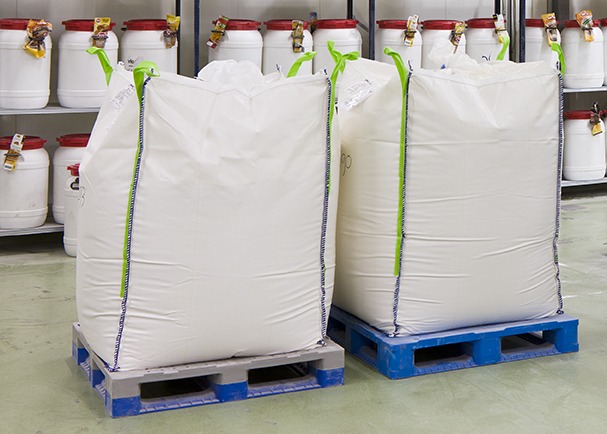
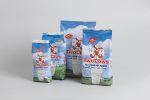
Our portfolio for milk powder packaging consists of paper bags, FIBC's, bulk bags, plastic film bags and film on reel.
Your milk powder, our packaging

Discover our milk powder packaging solutions, designed for optimal protection and long-lasting freshness. Thanks to moisture- and air-tight materials, milk powder remains fresh and free from contamination, from production to use. Our packaging solutions combine functionality with efficient and safe storage and transport. With various sizes and sustainable options, we always provide a suitable solution. Choose quality and reliability with NNZ’s milk powder packaging!

For more detailed information about the various packaging options for milk powder, please refer to the material categories below.

Frequently Asked Questions about Milk Powder Packaging

Milk powder is highly sensitive to moisture and oxygen. NNZ supplies bulk bags with liners, 4-loop Power-Lift® bags, paper bags, and poly film bags for dairy producers and distributors across the U.S.

  • What packaging options are available for milk powder, and how do they differ?

    NNZ offers several formats for milk powder: bulk bags with liners — available with PE, PE/Al, or PE/EVOH liners — for large-volume storage and transport; 4-loop FIBC bags for high-load industrial handling; multi-wall paper bags for mid-range and automated filling operations; and poly bags in mono, duplex, and co-extruded structures for moisture-sensitive or retail applications. Liner type and closure system depend on product sensitivity and shelf life requirements.

  • How does packaging protect milk powder against moisture and oxygen?

    Milk powder absorbs moisture rapidly and oxidizes when exposed to air. For bulk volumes, NNZ supplies bulk bags with liners in PE, PE/Al, or PE/EVOH. Each liner type creates a barrier against moisture and oxygen, with PE/EVOH providing the highest oxygen barrier performance. Poly film bags in duplex and co-extruded structures offer comparable barrier performance for smaller formats. The right liner configuration depends on the fat content of the product and the expected shelf life.

  • Is NNZ milk powder packaging certified for food safety?

    NNZ produces food-grade packaging for dairy applications according to applicable hygiene and quality standards. Documentation and certificates are available through NNZ’s quality management system. For milk powder specifically, the bulk bag with liner specification must be validated against the product’s fat content, regulatory requirements, and market destination. Confirm which standard applies to your product before finalizing a specification.

  • What formats are available for retail milk powder packaging?

    Multi-wall paper bags and poly film bags serve retail and mid-size distribution formats for milk powder. Paper bags come as valve bags and open-mouth styles, with multi-ply construction and optional moisture-resistant coatings. Poly film bags in mono, duplex, and co-extruded structures provide a tighter moisture and oxygen barrier. Both formats support printing for product labeling and retail presentation. The right choice depends on fill weight, shelf life requirement, and filling line configuration.

  • Can milk powder packaging support automated filling and sealing operations?

    Yes. Valve bags, a standard format in NNZ’s paper bag range, are designed for automated filling lines. They reduce dust and improve fill speed. For bulk FIBC filling, consistent bag dimensions and standardized spout configurations help maintain line throughput. Poly film bags on reel are available for automated form-fill-seal operations. NNZ advises on filling line compatibility when specifying bag formats for new or existing production setups.

  • What liner options are available for bulk milk powder bags, and how do they differ?

    NNZ supplies three liner types for bulk bags with liners. A PE liner provides standard moisture protection and works well for products with moderate shelf life requirements. A PE/Al liner adds a foil layer that blocks both moisture and light, which suits longer shelf life or export applications. A PE/EVOH liner provides the strongest oxygen barrier and is recommended for high-fat or heat-treated products where oxidation is a primary concern. The right liner depends on fat content, storage duration, and the filling environment.

WHY NNZ THE PACKAGING NETWORK?
RESHAPING

Sustainability
Worldwide strategic locations
Pioneering
Reliable and ethical

TRUE CO-OPERATION

Long-term partnerships
Teamwork
#Rethink innovation
Full service logistics

CUSTOMISED SOLUTIONS

Independent advice
Innovation insights
Customer intimacy
Broad portfolio

87dad78ea8417d6a5d9de198d48de6b48ff2d002
Stay informed with the latest developments. Sign up for our newsletter.

"*" indicates required fields

How we handle your data? Read our privacy statement. You can unsubscribe from these emails at any time.