

















Dry beans and pulses packaging
Our portfolio for dry beans and pulses-packaging consist of container liners, Bulk bags and PP woven bags.
Our portfolio for dry beans and pulses-packaging consist of container liners, Bulk bags and PP woven bags.
Discover our dry beans and pulses packaging, designed to preserve quality and protect your product throughout transport and storage.
With durable, moisture-resistant materials, your beans and pulses stay clean, dry, and in excellent condition from packing to delivery. Our packaging solutions combine functionality with an appealing presentation, ensuring both efficiency and product integrity. Available in a range of sizes and sustainable options to meet every need. Choose reliability and quality with dry beans and pulses packaging from NNZ!
For more detailed information about the various packaging options for dry beans and pulses, please refer to the material categories below.
Dry beans and pulses need packaging that keeps moisture out, meets food safety standards, and handles bulk volumes efficiently. NNZ supplies container liners, FIBC bulk bags, and woven poly bags for food producers, exporters, and distributors across the U.S.
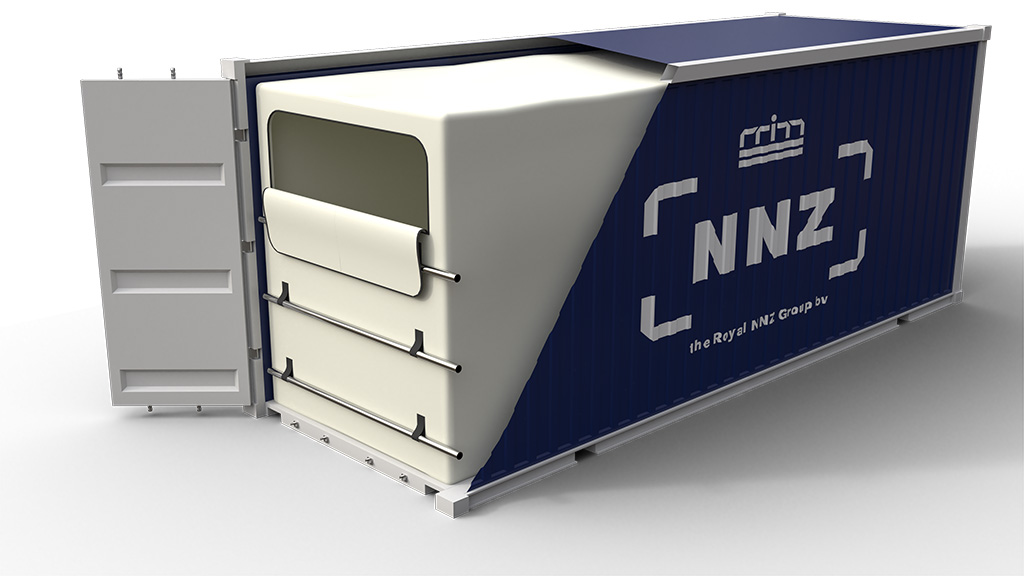
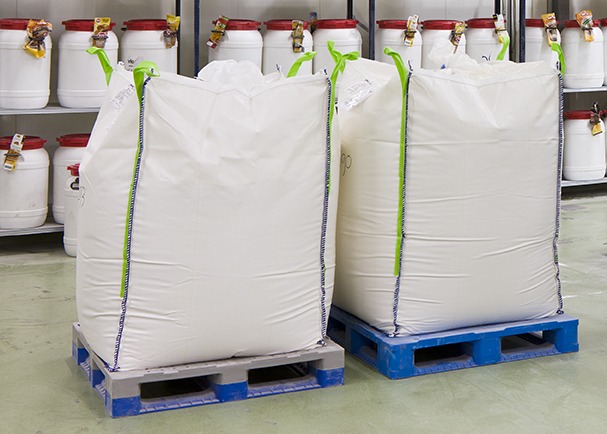
NNZ supplies three main formats for dry beans and pulses: container liners — available as partial or full liners — that transform standard 20- or 40-foot intermodal containers into food-grade bulk transport systems; FIBC bulk bags for large-volume storage and domestic distribution; and woven poly bags, including the Power-Block® blockbottom design, for mid-range quantities. The right option depends on volume, distribution channel, and whether the product is moving domestically or by sea.
Dry beans and pulses are susceptible to moisture, pests, and oxidation. Container liners seal the interior of a standard intermodal container, creating a food-grade bulk environment that protects against humidity and contamination during ocean transport. FIBC bulk bags with liners provide an equivalent level of moisture protection for domestic storage and distribution. Woven poly bags provide structural strength and moisture resistance for stacking and pallet handling.
A partial container liner protects the inside walls and floor of the container using coated woven PE with welded seams and cable attachments at the roof rings. It creates a fourth wall via a bulkhead, reducing moisture and contamination risk without fully enclosing the load. A full container liner adds a completely sealed, no-leak construction with a built-in bulkhead and requires four steel support struts. It provides maximum protection and suits products where any moisture ingress or cross-contamination is unacceptable. Both types fit standard 20- and 40-foot intermodal containers and are reusable.
Yes. Woven poly bags, including the Power-Block® blockbottom design, support printing for product labeling and brand identification. FIBC bulk bags print on one or two sides, up to four colors. Container liner dimensions and configurations are specified to match the container and product requirements. NNZ advises on configuration, material, and print options to align packaging with distribution format and market requirements.
A container liner is inserted into a standard 20- or 40-foot intermodal container before loading. For a full liner, four steel support struts hold the structure in place during filling. Once loaded, the liner creates a sealed, food-grade compartment that isolates the product from container walls, humidity, and odors throughout the ocean voyage. After discharge, the liner is removed and the container returns to normal use. This approach handles full container loads of dry beans or pulses in a single operation, without individual bags.
Container liners eliminate the need for individual bag packaging across the full bulk volume of a shipment. This reduces total packaging material per ton transported and removes the repacking step at origin. Both partial and full liners are reusable, which further lowers the packaging footprint per shipment cycle. FIBC bulk bags use woven polypropylene, a recyclable material, and are suitable for reuse within closed-loop supply chains when properly inspected. Both formats reduce packaging waste compared to equivalent volumes packed in smaller retail or distribution bags.
Sustainability
Worldwide strategic locations
Pioneering
Reliable and ethical
Long-term partnerships
Teamwork
#Rethink innovation
Full service logistics
Independent advice
Innovation insights
Customer intimacy
Broad portfolio
"*" indicates required fields
We use cookies to optimize your experience on the website, analyse traffic on our website and to show relevant ads to thirds. Read more about how we use cookies and how you can customize your preferences by clicking on “Settings”. If you agree with our cookie policy, click “Accept all”.
These cookies are used to optimize performance and functionality of the website. These cookies are not essential when browsing the website. However it is possible certain elements on the website will not function properly without the cookies.
These cookies collect data that we use to understand how our website is used and perceived. These cookies also help us to optimize the website for the best user experience.
These cookies allow ad-networks to monitor your online behaviour so they can display relevant ads based on your interest and online behaviour. These cookies also prevent the same ads from being displayed over and over.