

















Cement bags

Cement packaging

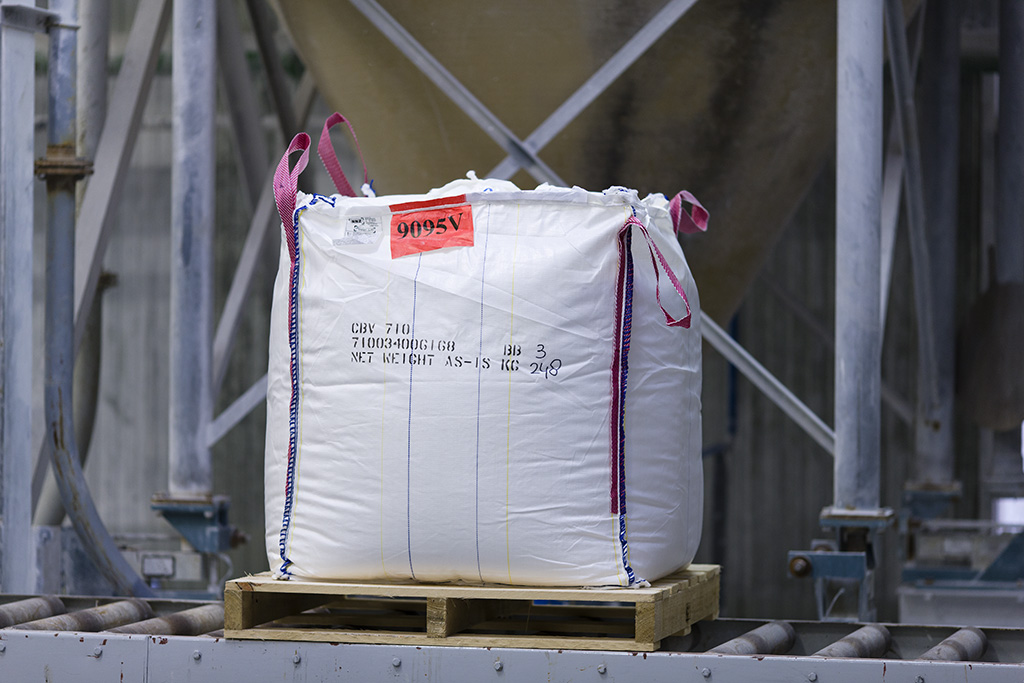
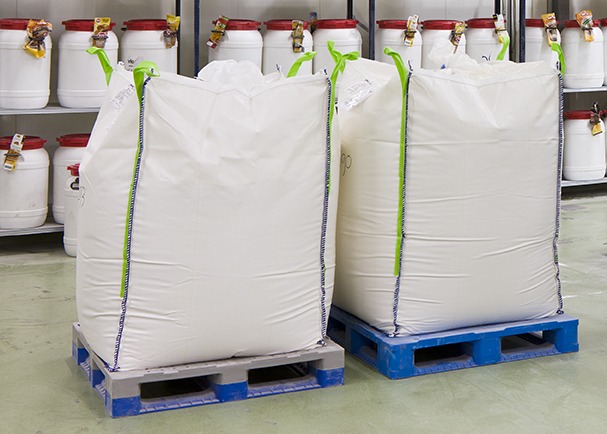
Our portfolio for cement packaging consists of paper bags, pp woven bags and FIBC's | bulk bags.
Your cement, our packaging

Discover our cement packaging solutions. These packaging options are made from strong materials, ideal for safe transport and storage. Their robust construction protects cement products from external influences and makes them easy to handle. Choose the packaging that best suits your logistics requirements for optimal protection.

More detailed information on the different packaging options for cement can be obtained from below material categories.

Frequently Asked Questions about Cement Packaging

Cement is heavy, abrasive, and highly sensitive to moisture. NNZ supplies FIBC bulk bags, 4-loop Power-Lift® bags, Q-bags, paper bags, and woven poly bags for cement producers, contractors, and distributors across the U.S.

  • What packaging types are available for cement?

    NNZ supplies six packaging types for cement: FIBC bulk bags and big bags for construction for large-volume industrial transport and storage; Q-bags for stable, stackable bulk handling; 4-loop Power-Lift ® bags for heavy industrial loads; multi-wall paper bags for 25–50 kg retail and trade distribution; and woven poly bags for durable mid-range quantities. The right combination depends on volume, handling method, and distribution format.

  • How does cement packaging handle moisture, clumping, and leakage?

    Cement sets irreversibly when wet, making moisture resistance the most critical requirement in packaging selection. FIBC bulk bags and paper bags for cement are available with coated fabric or multi-ply constructions that block moisture ingress. For high-humidity environments or export shipments, coated woven poly bags and multi-wall paper bags with moisture-resistant plies provide additional protection. Discharge and filling spout configurations help reduce product loss and limit dust during transfer.

  • Are FIBC bulk bags suitable for cement, and what specifications apply?

    Yes. NNZ’s 4-loop Power-Lift® and FIBC bulk bags handle loads from 500 to 2,000 kg with a safety factor of 5:1 or 6:1. For cement, coated fabric variants prevent moisture ingress and reduce the risk of product hardening inside the bag. Filling spout configurations are available to support automated and semi-automated filling equipment. Big bags for construction materials are specifically designed for dense, abrasive bulk loads — including cement, sand, and gravel — and provide a robust option for large-volume site storage and transport.

  • What are the advantages of paper bags for cement, and which formats are available?

    Multi-wall paper bags are a standard choice for 25 and 50 kg cement in retail, trade, and contractor distribution. Valve bags work well on automated filling lines and reduce dust during filling. Open-mouth bags offer flexibility for manual or semi-automated operations. Multi-ply construction provides structural strength during handling and stacking. Kraft and kraft-plus-poly ply combinations add moisture resistance where conditions require it. Both formats support printing for product labeling and brand identification.

  • How can the right cement packaging improve supply chain efficiency?

    Standardized bag dimensions and consistent lifting loop configurations reduce handling time at warehouses and terminals. Q-bags maintain a square form when filled, which improves stacking density and makes better use of pallet and container space. FIBC bulk bags load directly into 20- or 40-foot containers for intermodal transport between truck, rail, and ship without repacking. For cement producers managing multiple distribution channels, using a common FIBC specification across bulk and bagged formats simplifies procurement and logistics planning.

  • Can cement packaging be reused or recycled at end of life?

    FIBC bulk bags use woven polypropylene, a recyclable material. Whether a bag is reused depends on the application, bag condition after use, and safety requirements for the next product cycle. Paper bags are not suitable for reuse but are made from renewable materials and recyclable where local infrastructure supports it. Woven poly bags are similarly recyclable. For a broader view of NNZ’s approach to bulk packaging solutions and sustainability, more detail is available through the NNZ packaging insights.

WHY NNZ THE PACKAGING NETWORK?
RESHAPING

Sustainability
Worldwide strategic locations
Pioneering
Reliable and ethical

TRUE CO-OPERATION

Long-term partnerships
Teamwork
#Rethink innovation
Full service logistics

CUSTOMISED SOLUTIONS

Independent advice
Innovation insights
Customer intimacy
Broad portfolio

87dad78ea8417d6a5d9de198d48de6b48ff2d002
Stay informed with the latest developments. Sign up for our newsletter.

"*" indicates required fields

How we handle your data? Read our privacy statement. You can unsubscribe from these emails at any time.